

Wax-Dipped Red Amaryllis Blooms in Fall and Requires No Care
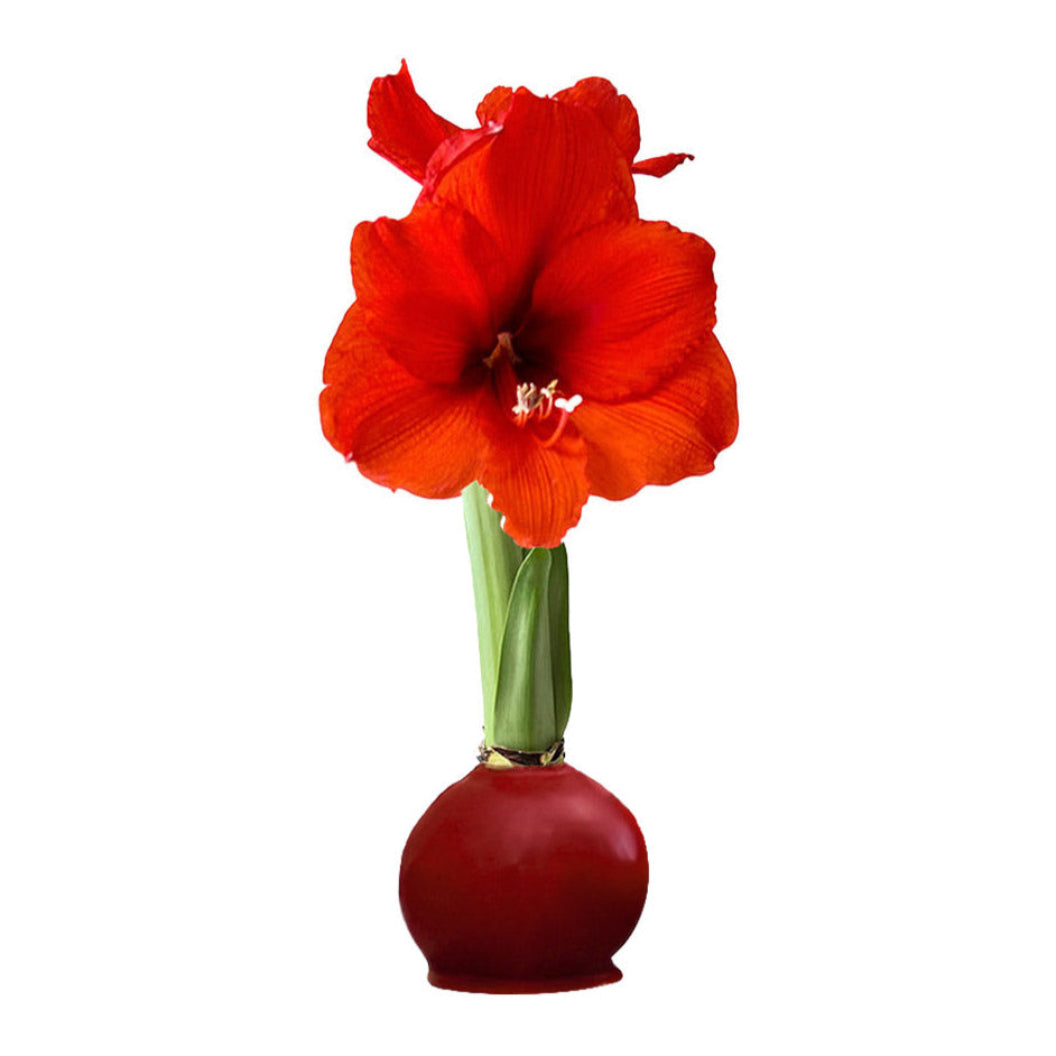
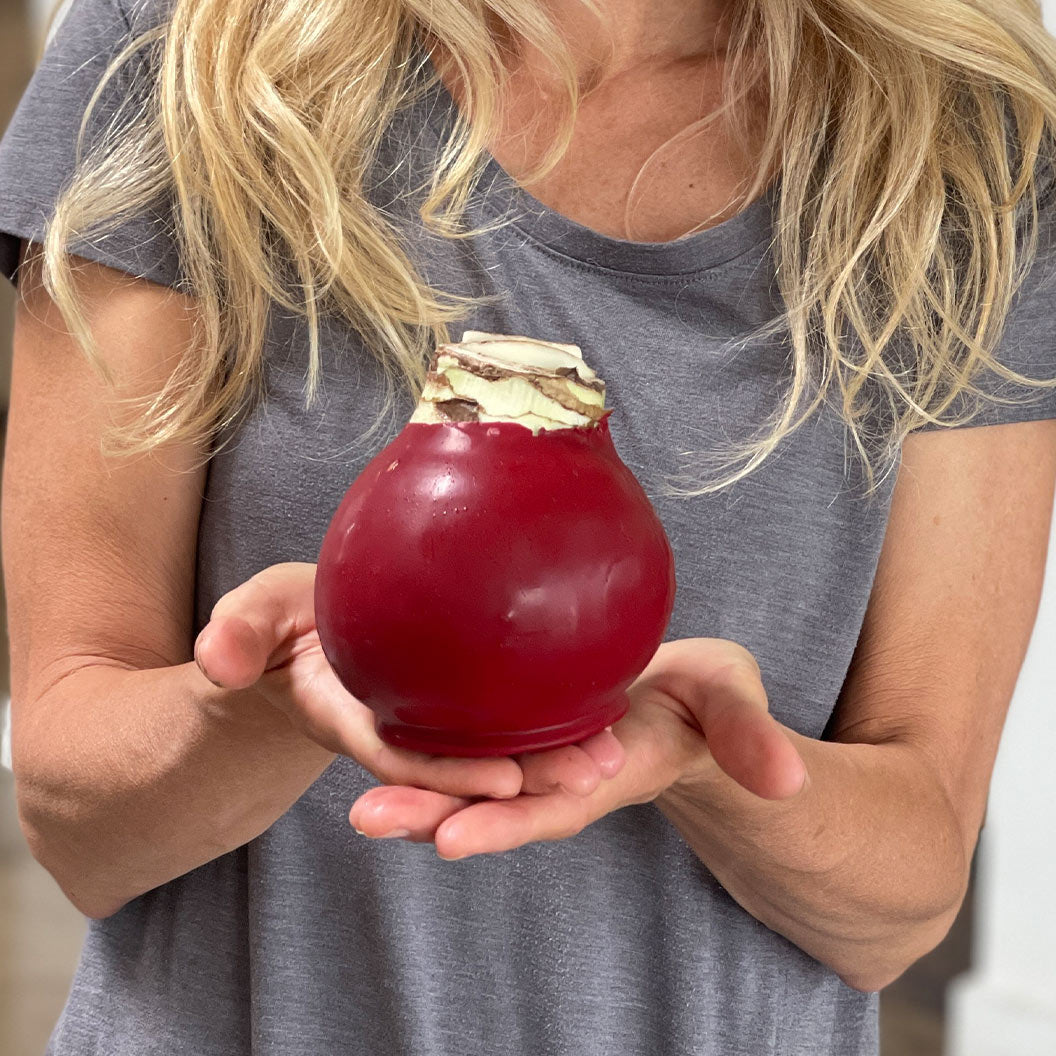
The Cranberry Waxed Amaryllis Bulb with Sovereign Blooms is part of our fall collection, featuring deep red wax that preserves the flower, eliminating the need for water, soil, and maintenance. Gift this to a loved one or display it in your home for seasonal decor, centerpieces, and more.
Enjoy red-orange, velvety blooms 4-6 weeks after arrival that livens up any indoor space! You can even plant it past its final bloom, and watch it thrive in your patio, garden, yard, or container as a show-stopping flower.
Plus, these flowers are oversized, premium blooms from Peru, and add a touch of fall color to any indoor space. It makes a simple but stunning statement in any home, especially during all of your seasonal events.
Bring the Cranberry Waxed Amaryllis Bulb with Sovereign Blooms home for a floral display unlike any other. Buy yours now!
Planting & Care
1. Planting: Your waxed bulb will thrive in indirect sunlight. Place it in a well-lit room, but avoid direct sunlight. To help the stems grow straight, rotate the bulb every week. Keep in mind that each bulb grows at its own pace; some may take up to 8 weeks to start blooming. Once the last bloom has faded, you can remove the wax and plant your bulb either outside or in a planter with well-draining soil to enjoy more blooms next year.
2. Watering: Your waxed amaryllis bulb does not require watering. All the water and nutrients the bulb needs are contained within the wax shell.
3. Pruning: Remove dead flowers to encourage new growth.
Related Resources
General Care for House Plants
House plants are our favorite way to elevate an indoor space. With so many shapes, sizes, colors and varieties to choose from, growing your collect…
Read the full article
House Plant Care 101: Light
You water regularly, have a pot with good drainage and even fertilize, but your new house plant still isn't thriving. Did you ever consider that th…
Read the full article
Video: The Best Light for House Plants
Most house plants are particular about how much sunlight they get. Too much (or too little) light is an easy to way to hurt a house plant – while t…
Read the full article

Reviews
There are no reviews yet.